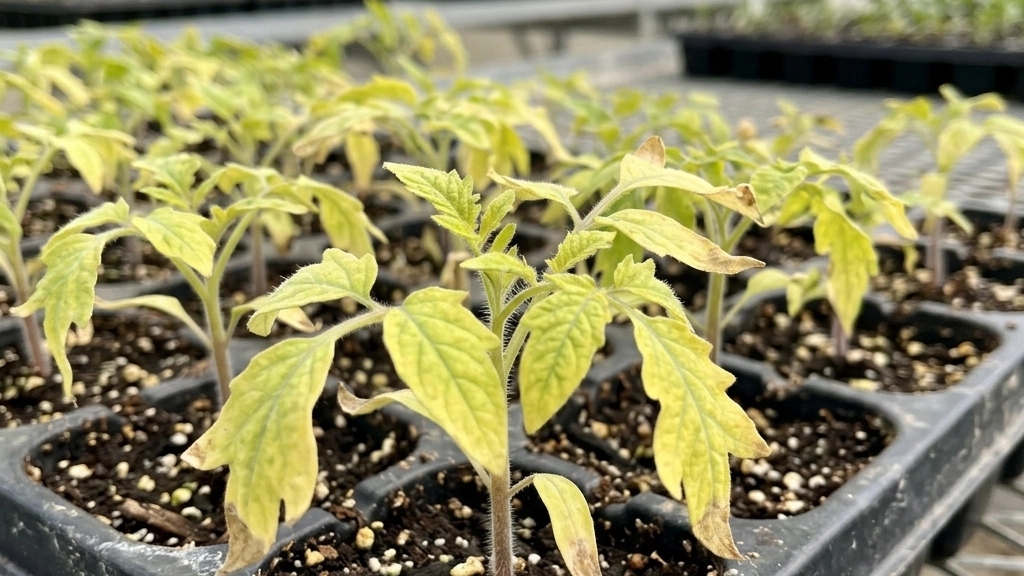
The yellowing of tomato seedling leaves is one of the problems that may be observed during the seedling production stage or after being transferred to the main land.
This problem does not always have a specific cause, and the condition of the plant must be checked to choose the right solution.
1. Improper watering
Excessive watering can reduce oxygen around the roots and create unsuitable conditions for absorbing water and nutrients. Lack of water may also lead to wilting and discoloration of the leaves.
2. Lack of nutrients
Deficiency of nitrogen or some other elements can change the color of the leaves. However, the type of leaves involved and the pattern of yellowing are important in diagnosing the cause.
3. Inappropriate temperature
Inappropriate temperature of the growth environment may disrupt root activity and absorption of nutrients.
4. Root problems
Root rot, bed diseases and root damage may be associated with yellowing leaves.
5. Water or bed salinity
High salinity can disrupt the absorption of water and nutrients and damage the growth of seedlings.
What should we do to fix the problem?
First, check the moisture condition of the bed, root health, water quality, ambient temperature and the yellowing pattern of the leaves. Avoid arbitrarily using fertilizer or poison without identifying the cause; because it may aggravate the problem.
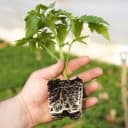
Note: If you take a clear photo of the leaves, stems and roots of the cuttings, it will be easier to initially check the problem.
Lack of nitrogen, iron and magnesium can cause yellowing of leaves. The diagnosis of the deficient element depends on the pattern of yellowness and growth conditions.
Yellowing of lower leaves may be due to lack of nitrogen, improper watering or natural senescence of old leaves.
Yes, root diseases and root rot can disrupt the absorption of water and nutrients and cause yellowing and weakness of the seedling.